
When A Paper Bag Failed: The Lawsuit Over A Soup Container That Couldn’t Hold Its Own Weight


It should have been an ordinary takeout order. Koltuk had picked up soup from a Pollo Tropical location — the kind of quick, everyday errand millions of people run without a second thought. What happened next turned an unremarkable pickup into a lawsuit that would end up in front of a jury.
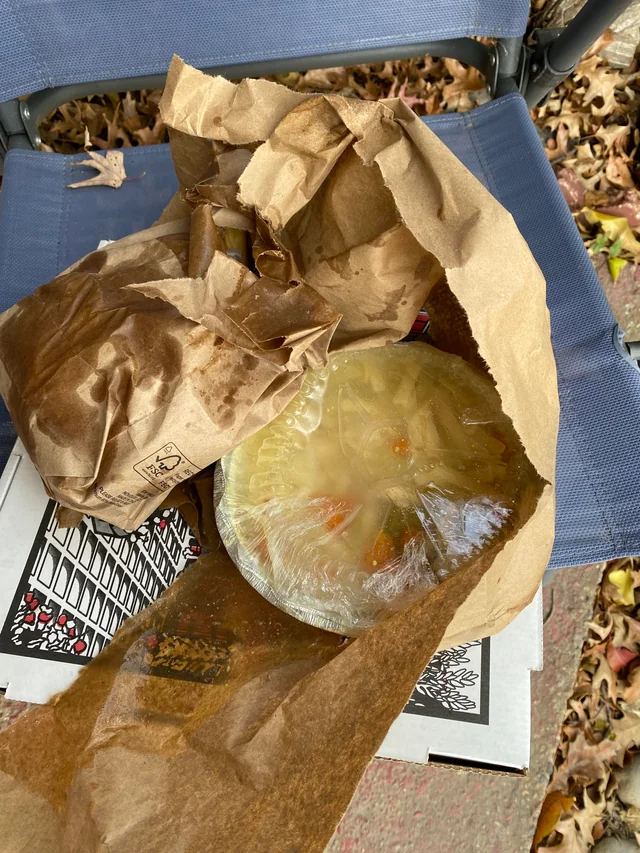
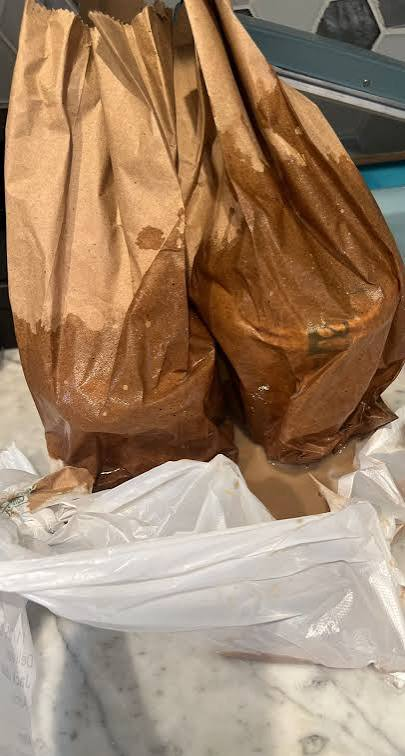
According to court records, the moment Koltuk received her order, the bottom of the paper bag gave way. It wasn’t a slow leak or a minor drip — the entire contents of the soup container spilled directly into her lap. She sustained burns on both thighs from the exposure.
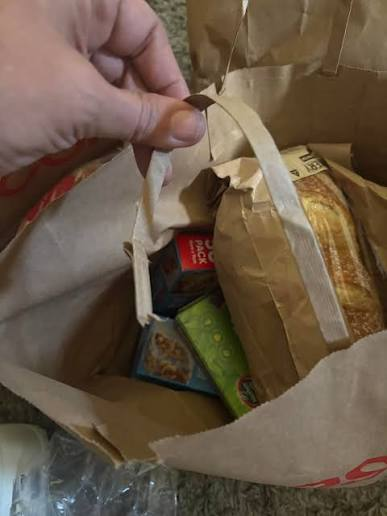
Koltuk’s legal team built the case around a specific argument: this wasn’t simple bad luck, it was a product design failure. She sued Pollo Operations Inc. under theories of negligence and product liability, arguing that both the soup container and the paper bag used to carry it were fundamentally unsuited for what they were being used for — transporting hot liquid to a customer. Her attorneys contended the soup container itself was defectively designed, unable to close securely enough to contain the contents during a routine handoff. The paper bag, they argued, was equally flawed — its structure allowing the bottom to give out under the combined weight and moisture of a hot liquid container, exactly the kind of failure that shouldn’t happen with a product marketed for that purpose.
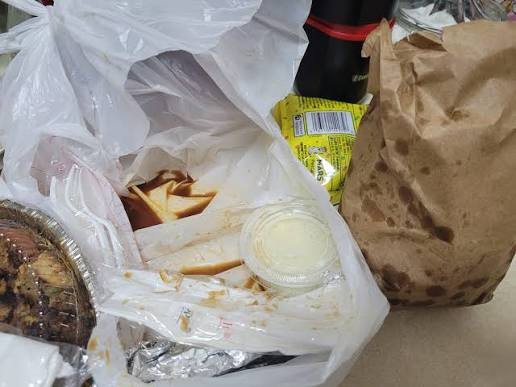
One detail made the case more pointed still: according to Koltuk’s filing, this wasn’t a one-time fluke. A similar spill incident, she claimed, had already happened at the same restaurant roughly a year earlier — suggesting, at least from the plaintiff’s side, that the risk wasn’t unknown to the company.
Pollo Operations denied any negligence on its part, characterizing the spill as simply an accident rather than the product of a defective container or bag. The case proceeded to trial, where a jury ultimately had to weigh whether an everyday packaging failure amounted to a legitimate product liability claim, or whether it was exactly what the restaurant argued: an unfortunate but unavoidable mishap.
Cases like this rarely make national headlines, but they represent something genuinely common in American courts: disputes over where the line falls between ordinary bad luck and a company’s responsibility to make sure the packaging carrying its hot food actually holds together long enough to reach the customer’s hands.