Jeremy Clarkson’s Bleak Harvest Warning Might Actually Affect What’s In Your Shopping Basket This Autumn

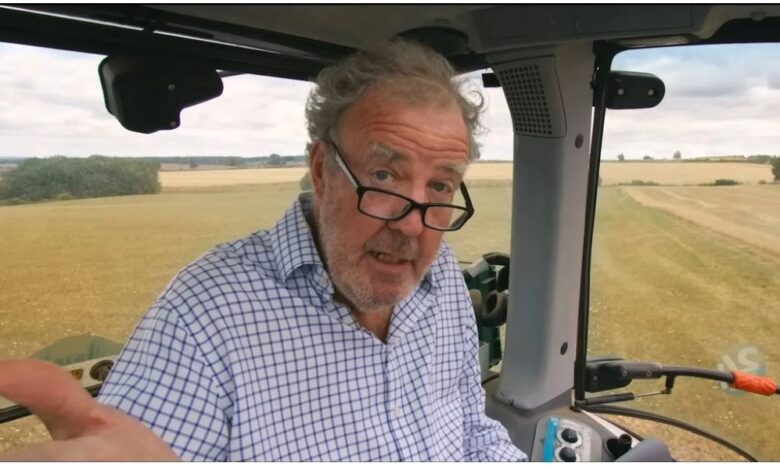
When Jeremy Clarkson posted his now-familiar bleak harvest update this summer, “Harvest already f***ed. May as well just enjoy it now.”, it read, on the surface, like another wry, self-deprecating farming update from Diddly Squat. But zoom out from Clarkson’s own fields, and his frustration turns out to be a genuinely useful early warning sign for something that could affect considerably more people than just farmers: your weekly shop.
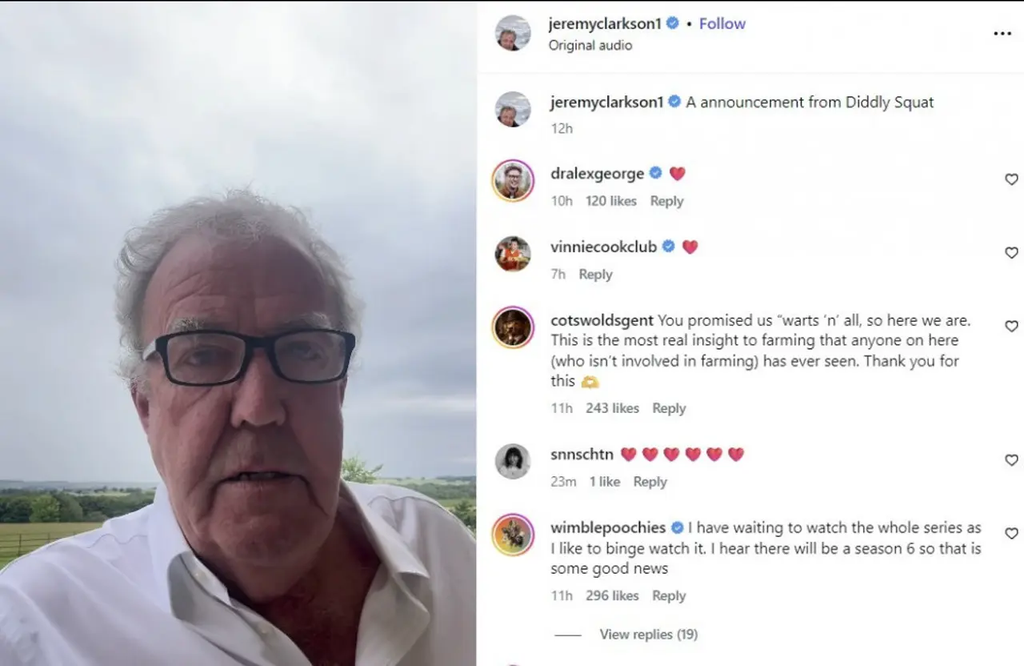
The update came as the UK endured its driest July since records began, part of an extended, punishing stretch of heatwaves that left soil across the country parched during exactly the window when crops most need consistent moisture. Clarkson, who’d already revealed he’d left 200 acres of Diddly Squat deliberately unplanted this year because growing crops on it would guarantee a financial loss, wasn’t describing an isolated problem. As he put it himself, bluntly: “It’s the same story for farmers across the whole country, so you can kiss goodbye to our green and pleasant land.”
That’s where the shopping basket connection comes in. Industry analysts have pointed to this summer’s punishing drought conditions as a genuine risk factor for UK-grown food shortages heading into autumn, with warnings that the resulting supply pressure could translate into “shrinkflation”, the now-familiar practice of shrinking product sizes while holding prices steady, rather than simply raising prices outright and risking a more visible consumer backlash.

It’s a genuinely useful, if slightly depressing, way to understand exactly how a bad harvest actually reaches your kitchen. A punishing dry summer doesn’t just mean smaller yields on paper, it cascades through the entire supply chain: less UK-grown produce available, retailers scrambling to manage costs without triggering obvious sticker shock, and consumers ultimately getting slightly less product for the same price, often without ever quite noticing the change.
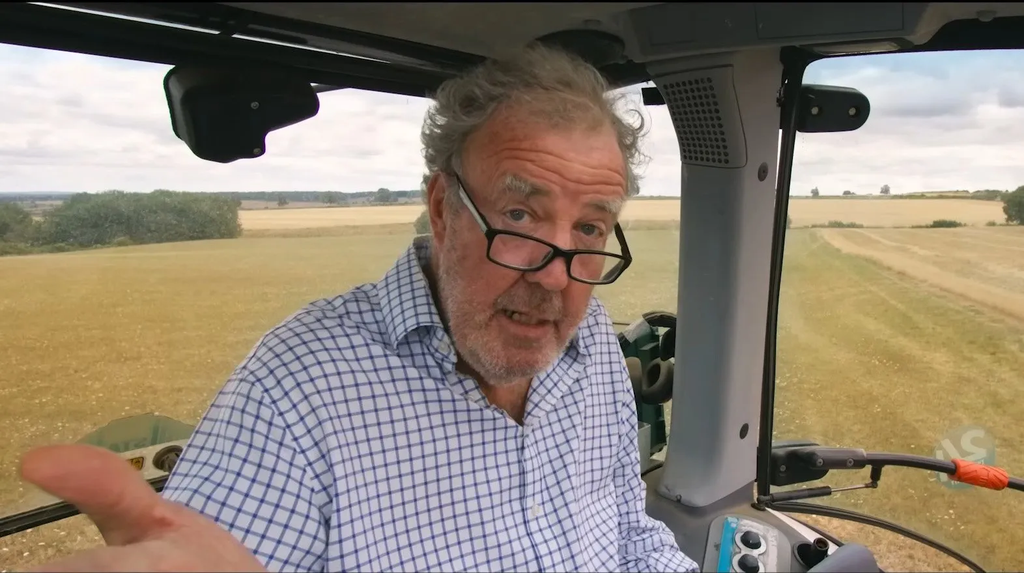
Clarkson’s own commentary throughout the season has consistently connected these dots, even if his framing usually leans toward gallows humour rather than economic analysis. He’s previously pointed out that it’s become “impossible” for farmers to make real money simply growing food, and has warned that current trends could push more farmland toward alternative uses entirely, solar farms, housing, anything other than the crops actually feeding the country.
It’s worth noting this isn’t purely a one-off weather story either. Clarkson made similar warnings last summer, when relentless rain rather than drought devastated the harvest instead, telling followers bluntly at the time: “It looks like this year’s harvest will be catastrophic. That should be a worry for anyone who eats food.” Two consecutive extreme, opposite weather years, one drenched, one bone dry, suggests British farming is increasingly operating with vanishingly little margin for error, whatever direction the weather swings.
For consumers, the practical takeaway is fairly simple: if your usual bag of crisps feels a little lighter, or your loaf of bread seems to be shrinking while the price tag stays exactly the same this autumn, there’s a genuine chance the story traces all the way back to exactly the kind of parched, cracked earth Clarkson’s been photographing at Diddly Squat all summer.