
“All Natural” Lemon Bars That Weren’t So Natural: The Lawsuit That Challenged A Beloved Freezer Staple


For anyone who’s ever grabbed a lemonade fruit bar out of the freezer on a hot afternoon, the phrase “All Natural” printed right on the box probably wasn’t something you thought twice about. That’s exactly the assumption a class-action lawsuit against Nestlé USA decided to challenge.

The suit targeted Dreyer’s and Edy’s brand fruit bars — the same nostalgic freezer aisle staple found in flavors like lemonade, lime, strawberry, tangerine, coconut, grape, blueberry acai, and pomegranate. Splashed prominently across the packaging was the phrase “All Natural.” According to the lawsuit, that claim didn’t hold up under scrutiny.
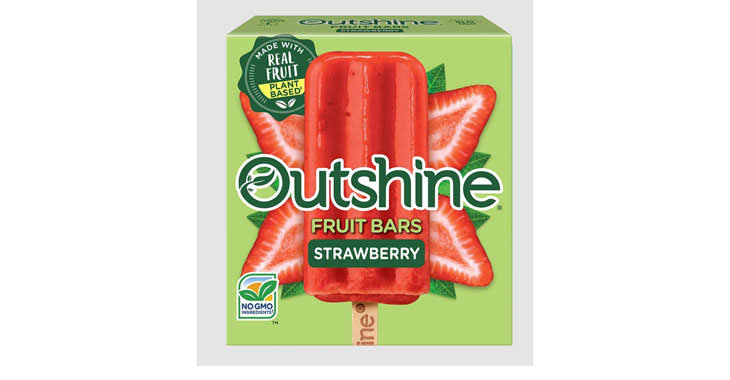
The complaint alleged that despite the “All Natural” labeling, the fruit bars actually contained a list of ingredients that told a different story: beet extract, turmeric color, ascorbic acid, and citric acid among them. To the plaintiffs, calling a product with these additives “All Natural” wasn’t just misleading marketing — it was a violation of California’s nutrient labeling regulations, which govern exactly what companies are and aren’t allowed to claim on their packaging.

The case, formally known as Belli v. Nestlé USA, Inc., was filed in the U.S. District Court for the Northern District of California — a jurisdiction that has become something of a hotbed for exactly this kind of food-labeling litigation. It joined a wave of similar lawsuits filed around the same period targeting “all natural” claims across everything from teas to non-dairy beverages to other frozen treats, as consumers and their attorneys increasingly pushed back against packaging language that promised more than the ingredient list actually delivered.
Unlike some of its more headline-grabbing counterparts that dragged on for years and ended in massive settlements, this particular case reached its conclusion relatively quietly: it was dismissed in January 2015. The dismissal didn’t necessarily mean the underlying question went away, though. Food labeling lawsuits over “natural” claims have continued to surface with regularity in the years since — a reminder that the word “natural” carries far less legal weight than most shoppers probably assume when they see it printed across a package.
What makes cases like this worth paying attention to isn’t really about lemonade bars specifically. It’s about the gap between what a label implies and what a careful read of the ingredients actually reveals — and how often that gap becomes the exact thing that ends up in front of a federal judge.