‘Clarkson is right’ UAE business leaders highlight ambition gap with UK amid brain drain to Gulf

The difference between the UK and GCC’s approach to business and free enterprise is becoming increasingly apparent
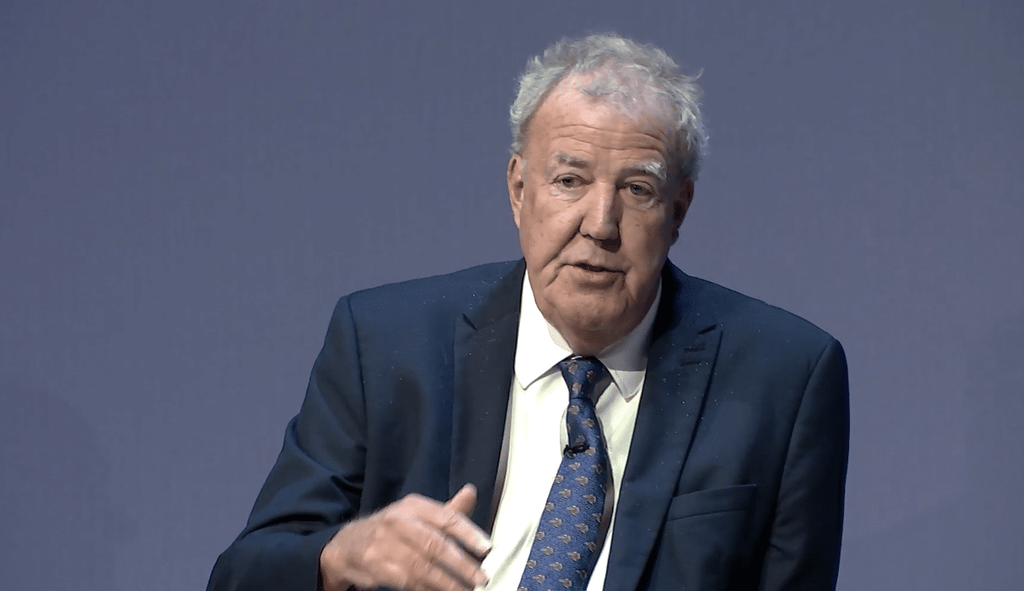
When Jeremy Clarkson asked why anyone would start a business in the UK right now, he voiced a growing sentiment among British entrepreneurs.
The TV presenter and farmer stood on stage at the Conservative Party conference this week to ask the question, citing high taxes, stringent regulations, and rising operational costs as key obstacles.
It came as Clarkson explained his decision to abandon plans for a second pub in the UK, opting instead to search abroad, which underscores a shift in where British business talent is choosing to invest.
Across the Gulf, British founders and professionals are finding a strikingly different economic landscape.
A tale of two environments
Sebastian Bates, founder of the Warrior Academy, understands the contrast well. Having launched his martial arts venture in Somerset in 2015, Bates eventually relocated to Dubai in 2019 to scale the brand.
Just this weekend, the academy opened its fourth UAE location in Jumeirah Islands, making it the largest martial arts academy in the Middle East, employing roughly 60 staff and training over 2,000 children weekly.
Reflecting on Clarkson’s remarks, Bates highlighted the stark operational differences between expanding in Britain and building in the Gulf.
“I understand exactly why Jeremy Clarkson said it. I started my business in Somerset and hired my first employee there in 2015, and I’m proud of that,” Bates told Arabian Business. “But every time we grew, it felt like there was a new cost or a new rule waiting for us.
“I moved to Dubai in 2019 with one idea and no safety net. Seven years later we have four academies, around 60 staff and more than 2,000 children training with us every week. It has not been easy. We came through Covid and some very tough years.
“The difference is that here, when you want to build something, the country is on your side. Decisions are fast, ambition is celebrated and families feel safe.
“Britain has not run out of entrepreneurs. It is exporting them. I’d love to see the UK back its business owners the way the UAE has backed me.”
Justin McGuire, Chairman of MCG Talent and founder of Justin McGuire Talent Advisory, agreed.
“Clarkson asking why anybody would set up a business in the UK right now is a good one to react to, especially as he then admitted he probably won’t leave and is only dreaming about it,” he added.

“I didn’t dream about it, I went. I came to Dubai in 2008 with no clients and no funding, just as the market collapsed, and built a business from nothing. The contrast from where I’m sitting is huge. Here the door is open. You can set up in days.
“I’m British and proud of it, and I’m not disrespecting the UK at all. But if you’re asking why anyone would start a business, come and have a look here. The momentum is in the Gulf. It’s still hard graft, and getting paid can be slow, but the opportunity is real and the barriers to getting going are low.”
The expat exodus
An estimated 240,000 British citizens currently live and work in the UAE, forming one of the largest Western expatriate communities in the region.
A combination of factors has driven British professionals and business owners to the Gulf; namely the tax structure, visa policies and the ease of doing business.
When Prime Minister Andy Burnham first took up residence in Downing Street, the Gulf was touted as a potential benefactor were he to pursue a more interventionist economic agenda in the UK.
Nigel Green, CEO of global financial advisory giant deVere Group, warned that proposals including a possible annual land value tax, higher public spending and greater state involvement in domestic infrastructure risk accelerating the departure of wealthy individuals and entrepreneurs.