
**”The Most Challenging Conditions I’ve Seen In 28 Years”: What Firefighters Actually Faced This Summer


Jeremy Clarkson’s “T-Shirt Burnham” column made the barbecue ban into a punchline. For the firefighters who spent this summer actually tackling the fires the ban was designed to prevent, the reality has looked considerably less funny.
Take Stourbridge, in the West Midlands, where a wildfire on one of the hottest days of the year required over 100 firefighters and, according to BBC reporting, ultimately destroyed 19 homes. West Midlands Fire Service chief Simon Tuhill, a 28-year veteran of the service, described it as a “large and complex incident,” with the fire control team fielding thousands of 999 calls during the response. In his own words, it represented “the most challenging conditions” he’d encountered in nearly three decades on the job.
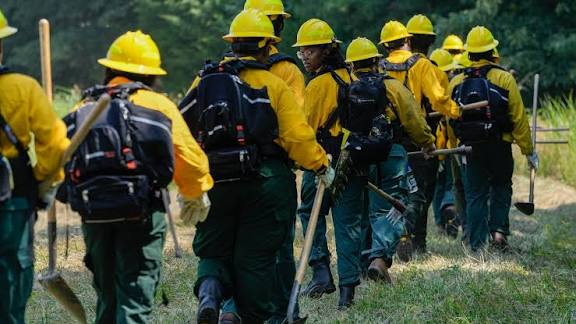
Stourbridge wasn’t an isolated case. The National Fire Chiefs Council reported that major incidents linked to extreme heat and wildfires had already climbed to 25 across the country this year, part of what officials described as tinderbox conditions across large areas of grassland. In South Wales, the fire and rescue service formally requested military support, part of established emergency protocols for managing prolonged, complex incidents, after officials said crews had been “working around the clock to protect communities, homes, businesses, infrastructure and the environment.” The West Midlands Ambulance Service, meanwhile, reported responding to 22 wildfire-related incidents in a single period, treating 68 patients, 25 of whom required hospitalisation.
The specific link between disposable barbecues and wildfires isn’t new, or unique to this summer. Back in 2022, during a previous record-breaking heatwave, then-London Fire Commissioner Andy Roe called for an outright national ban after his brigade logged its busiest week in history, more than 3,000 incidents attended in seven days, including a serious blaze at Wanstead Flats directly caused by a disposable barbecue. Roe noted that the devices, costing as little as £5, “can cause untold damage” when grass conditions are dry enough. That same year, Dorset and Wiltshire Fire Service reported 911 wildfire callouts, a 400% increase on the previous year, with assistant chief fire officer Andy Cole explaining that many were started “innocently” by disposable barbecues before rapidly becoming, in his words, “very difficult, complex and arduous fires to tackle.”
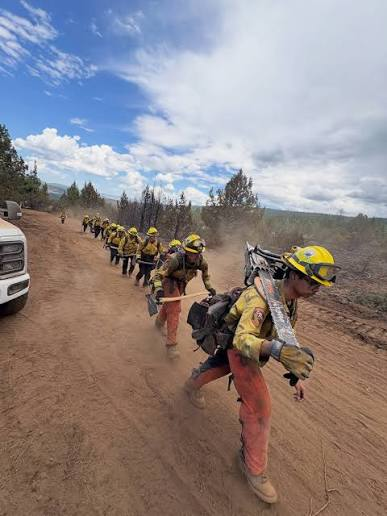
None of this necessarily means Clarkson’s underlying argument, that barbecues aren’t the only or even the primary cause of every wildfire, is wrong. Broken machinery, discarded cigarettes and deliberate arson genuinely do start plenty of fires too, and fire services themselves have never claimed otherwise. But the documented, repeated pattern of disposable barbecues specifically triggering fast-moving, resource-intensive grass fires, fires that pull firefighters away from responding to other emergencies during periods of already extreme strain, is exactly why fire chiefs, not politicians looking for a headline, have been the ones pushing hardest for restrictions for years, going back well before this particular government or this particular ban.
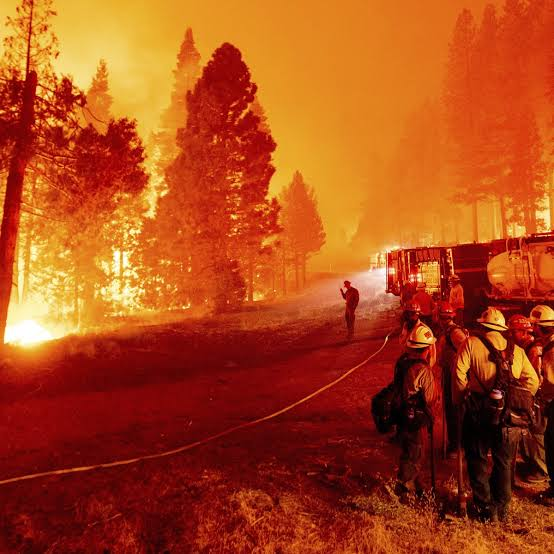
It’s a useful reminder that behind every viral political columnist takedown, there’s usually a considerably less entertaining, considerably more consequential reality playing out for the people actually responding to the emergencies in question.


