
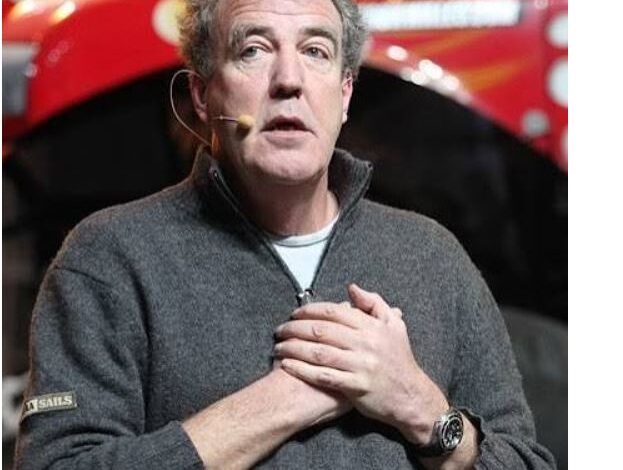
“T-Shirt Burnham” has been everywhere this week, quoted, mocked, defended, and turned into memes within hours of the column landing. But if you’ve followed Jeremy Clarkson’s writing career for any length of time, the pattern will feel familiar. Long before this week, Clarkson had already built a career-long habit of turning a single sentence into something people quote back at each other for years afterward.
Some of his most enduring lines have nothing to do with politics at all, and have simply become part of the cultural furniture. “Speed has never killed anyone. Suddenly becoming stationary, that’s what gets you,” a line from his motoring writing decades ago, still gets recycled in road safety debates and car forums today. “How hard can it be?” has become something close to Clarkson’s unofficial motto, four words that capture both his trademark overconfidence and the chaos that reliably follows whenever he says them, whether about farming, brewing, or running a pub. Even his food and lifestyle commentary produced genuinely quotable material: his line distinguishing “cheap and nasty” from “expensive and cheerful” has outlived the specific product review it originally described.
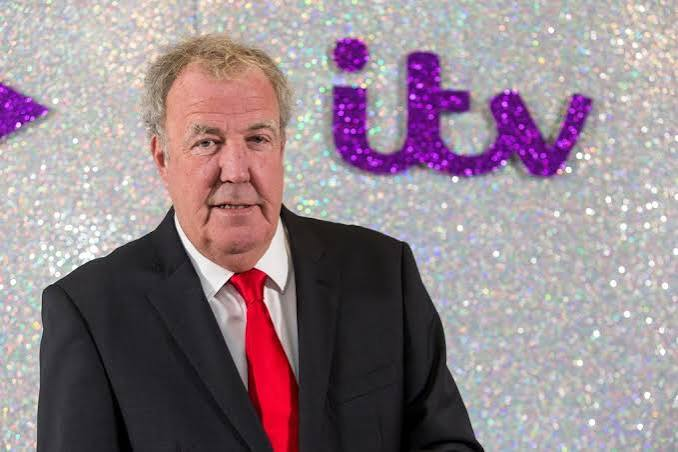
What makes “T-Shirt Burnham” fit so neatly into this tradition is the format: a short, punchy, instantly shareable phrase, delivered with just enough wit that it works as a standalone joke even if you haven’t read the surrounding column. It’s the same skill that’s kept his Sunday Times and Sun columns among the most-discussed newspaper writing in Britain for the better part of three decades, regardless of whether readers agree with the underlying argument.
That skill has, over the years, cut in more than one direction. Not every viral Clarkson moment has been a harmless one-liner about barbecues or speed limits, and it’s worth being honest about that rather than pretending his column history is uniformly light entertainment. His writing has, at points, generated genuine, serious backlash rather than amused agreement, a reminder that the same instinct for a sharp, quotable line can land very differently depending on the subject.
Still, taken as a whole, the “T-Shirt Burnham” moment sits much more comfortably alongside Clarkson’s lighter, more playful hits than his more serious controversies. It’s mockery aimed at a policy decision rather than a person’s character, delivered with the kind of self-aware exaggeration that’s always been the engine behind his most successful writing. Whether you find it funny, unfair, or a bit of both, it’s clearly working exactly as intended: getting people talking, arguing, and, inevitably, quoting it right back.