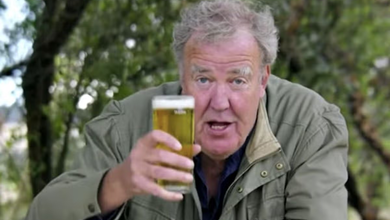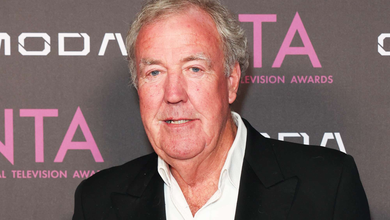
For The First Time In 7 Years Of Farming, Jeremy Clarkson Admits He’s “Genuinely Scared”

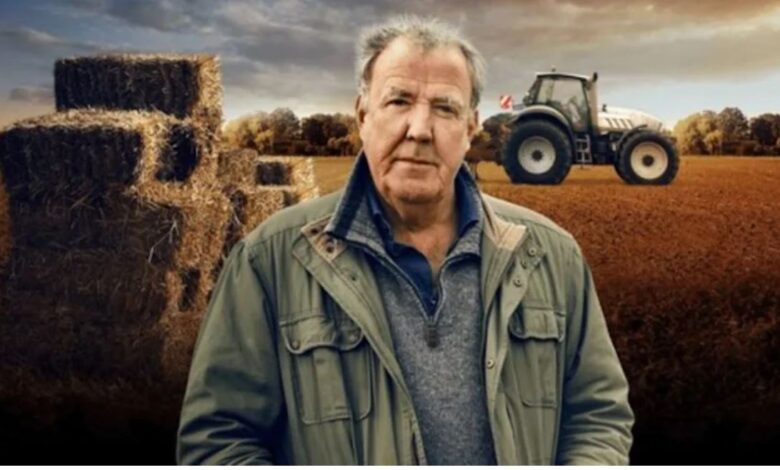
Jeremy Clarkson has spent seven years publicly documenting every conceivable farming disaster: TB outbreaks, ruined harvests, expensive equipment mistakes, and a cancer diagnosis delivered on camera. Through all of it, his tone has typically landed somewhere between exasperated and darkly funny. His latest column reveals something genuinely different: for the first time since he started farming, he’s admitted to being properly, seriously scared.
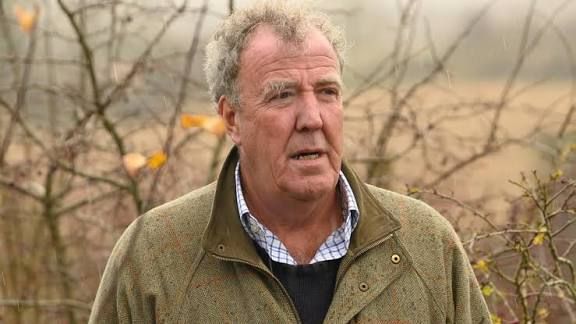
The fear isn’t about the thing that’s worried him every single year since he bought Diddly Squat. “Since I started farming seven years ago, the harvest has always been a nail-biting affair because you have to stop when the grain is too wet,” Clarkson explained. “Drizzle, dew and even humidity can halt proceedings for days.” Wet weather, in other words, has always been the enemy, an annual, familiar source of stress he’s learned to work around.
This year, the fear runs in the opposite direction entirely. With Britain enduring its driest July on record, Clarkson described tinder-dry conditions across the farm that leave him genuinely worried about fire, an entirely different, considerably more sudden kind of threat. Unlike a wet harvest, which simply delays work, a single spark in tinder-dry conditions could destroy months of effort in an instant, with no warning and no opportunity to simply wait it out.

None of these were offered as genuine recommendations, Clarkson’s clearly using exaggeration to underline just how absurd he finds the current economics of growing actual food in Britain. He drew a pointed historical comparison too, noting that people in 1926 would never have believed factories could simply vanish by 2026, implying British farming itself could be facing an equally unthinkable, equally real disappearance if current trends continue.
Between a genuinely new fear of fire and an increasingly bleak assessment of farming’s financial viability, Clarkson’s recent commentary marks a noticeably heavier tone than his usual blend of chaos and comedy. Whether that shift reflects the genuine severity of this year’s conditions, his own health journey reshaping his perspective, or simply the accumulated weight of seven consecutive years documenting one crisis after another, it’s a side of Clarkson considerably more sobering than the barbecue-ban jokes and Kaleb-cold-shoulder stories that usually dominate headlines.