After Months Of Protest, The Government Just Raised The Farm Inheritance Tax Threshold — Here’s What Changed

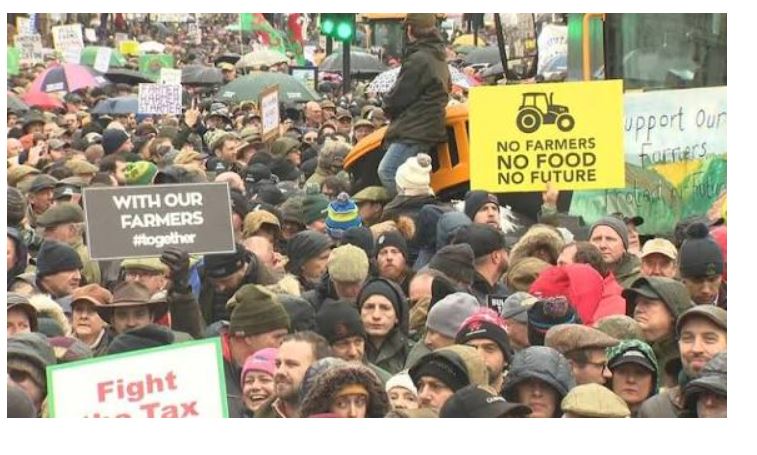
For nearly two years, Jeremy Clarkson has used every platform available to him, newspaper columns, television cameos, a single carefully placed frame in a Clarkson’s Farm season finale, to campaign against the government’s inheritance tax changes on agricultural land. This week brings a genuinely significant update to that ongoing story: the threshold has moved, and moved considerably.

The original policy, introduced in the October 2024 budget, applied a 20% inheritance tax to farms valued above £1 million, a threshold that critics, Clarkson prominently among them, argued would devastate ordinary working farms rather than targeting the wealthy investors the reform was ostensibly aimed at. Given how much UK farmland values had climbed, £1 million was, by many farmers’ accounts, a genuinely modest holding rather than an indicator of significant wealth.
Following sustained pressure, including the tens-of-thousands-strong farmers’ protest in Westminster that Clarkson joined in November 2024, the government has now raised that threshold to £2.5 million. It’s a substantial shift, more than doubling the amount of agricultural value a farm can hold before the new inheritance tax applies, and represents a genuine, concrete policy concession following more than a year of sustained public pressure from the farming community.
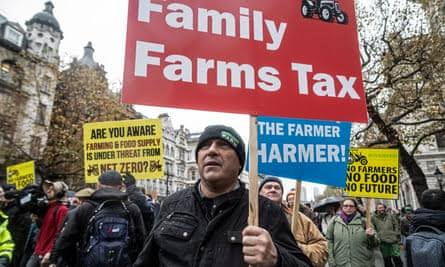
It’s worth being clear about what this change does and doesn’t mean. It’s not a full reversal of the policy, the underlying principle of taxing high-value agricultural inheritance remains in place, and the government has maintained its position that the reform closes a genuine loophole previously used by wealthy individuals to shelter non-farming assets from inheritance tax by purchasing agricultural land. But raising the threshold this significantly does directly address the core complaint from campaigners like Clarkson: that the original £1 million figure swept up genuine, moderate-sized working farms rather than only the wealthy estates the policy was designed to target.

For Clarkson personally, the timing arrives amid an already eventful stretch. He’s set to make a cameo appearance in the rebooted Grand Tour, returning September 5 with new hosts Francis Bourgeois, James Engelsman and Thomas Holland, while Clarkson’s Farm season six continues filming amid its own well-documented challenges, extreme heat, a positive TB test, and Clarkson’s own admission that he’s left 200 acres deliberately unplanted this year because growing crops on it would guarantee a financial loss.
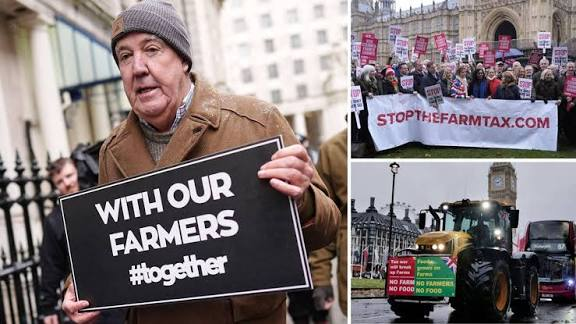
It’s a genuinely useful reminder of what sustained, public campaigning can actually achieve, even when the loudest voice belongs to a television personality more commonly associated with barbecue bans and pub disputes than serious tax policy. Whether £2.5 million proves to be the right long-term threshold, or simply the latest staging post in an ongoing negotiation between farmers and the Treasury, remains to be seen. But for now, it’s a genuine, measurable win for a campaign that started with tens of thousands of farmers marching through Westminster, and has been kept in the headlines ever since by one very persistent newspaper columnist.