Beyond The Gavel: The Day A Judge Locked Himself In A Cell To Stand Beside A Struggling Veteran

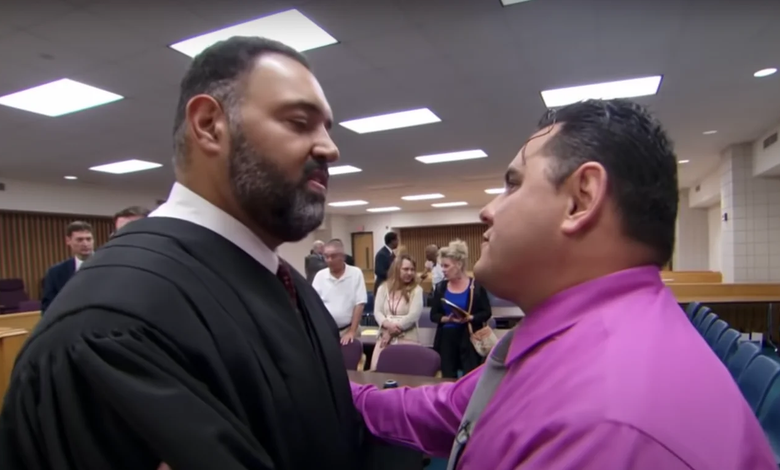
In the cold, rigid world of criminal justice, the courtroom is often seen as a place of strict sentences, binding laws, and emotional distance. Judges wear black robes to symbolize impartiality, delivering decisions that alter lives with a single strike of a gavel. But every once in a while, an extraordinary human moment transcends the boundaries of the legal system, reminding us that empathy can be the most powerful force for healing in a broken world.
In North Carolina, a military veteran found himself standing before the court, facing a violation of his probation due to alcohol consumption. To a casual observer, it might have looked like a simple case of someone failing to follow court orders. But behind the veteran’s weary eyes was a invisible battle: severe Post-Traumatic Stress Disorder (PTSD) stemming from his painful combat experiences on the battlefield.
Presiding over the case was District Court Judge Lou Olivera. Unlike many who only saw a case file, Judge Olivera—himself a military veteran—understood the deep psychological scars carried by those who have served in war.
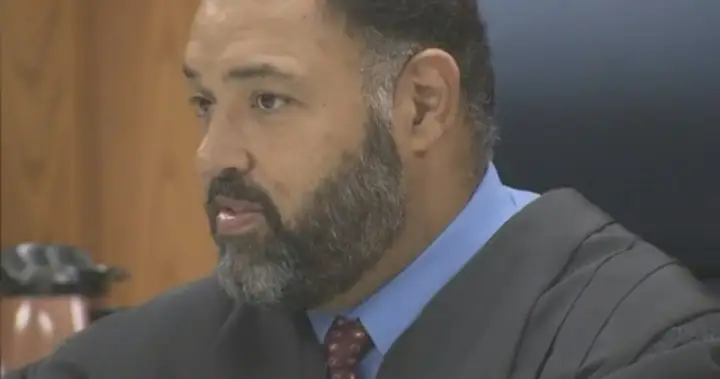
Due to the legal mandate, the judge had no choice but to order a mandatory 24-hour confinement sentence for the probation violation. However, Judge Olivera knew a heartbreaking truth: placing a traumatized veteran inside a dark, isolated jail cell alone could easily trigger terrifying flashbacks of war, pushing an already fragile mind into absolute panic and despair.
What Judge Olivera did next stunned the entire legal community.
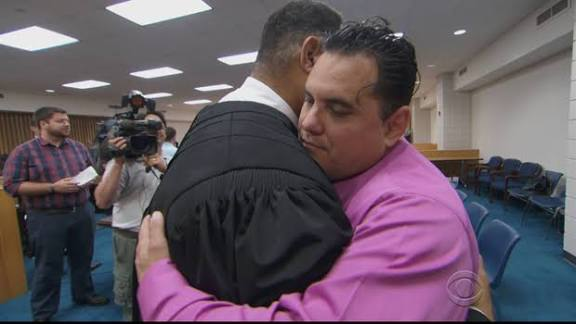
When evening arrived, the judge didn’t just go home to his family. Instead, he drove to the local detention center, holding a blanket and a pillow. He walked straight into the holding cell beside the veteran, asked the guards to lock the door behind them, and spent the entire 24-hour sentence inside the cell.
Throughout the night, sitting side by side on a hard bench, two veterans talked about life, war, pain, and recovery. Judge Olivera ensured that his fellow brother-in-arms would not have to face the darkness alone.
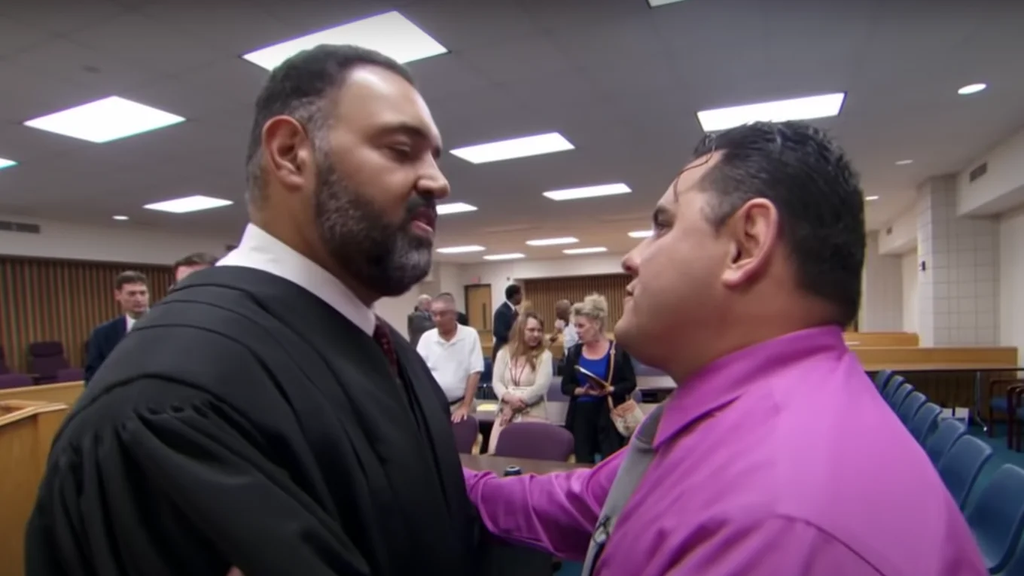
“I wanted him to know that he wasn’t abandoned,” Judge Olivera later reflected. “He served his country, and when he stumbled, someone needed to stand by him.”
That incredible gesture was far more than a sentence served—it was an act of UNCONDITIONAL COMPASSION that saved a man’s spirit from falling apart. It reminds us that real leadership is not about exerting power over others, but about stepping down into the trenches with those who are hurting. When justice is served with BOUNDLESS HUMAN WARMTH, it has the power to restore hope to the most wounded souls.