BEYOND THE GATES OF DIDDLY SQUAT: WHEN A MEDIA TITAN IS BROUGHT TO HIS KNEES BY THE COUNTRYSIDE
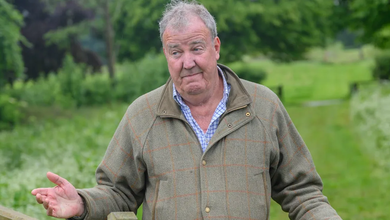
Can one of the most powerful icons in global media be defeated by a jealous sow or a miscalculated Lamborghini tractor? At Diddly Squat Farm, Jeremy Clarkson is proving that running an agricultural empire is infinitely more taxing than piloting a supercar on a Top Gear circuit. Behind the comedic footage lies a stark reality of the conflict between personal ambition and the unforgiving laws of nature. Here, every misstep is paid for with thousand-pound repair bills and sharp mockery from his closest, most grounded associates.

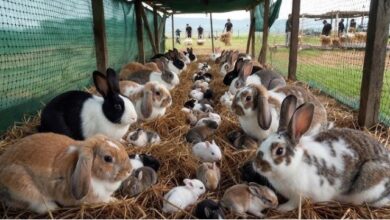
Since Jeremy Clarkson decided to shed the glamorous image of a speed star to don the rugged waxed jacket of a farmer, the Cotswolds has known no peace. Diddly Squat is not merely a farm; it is a genuine battlefield where Jeremy faces the most unpredictable of adversaries: animals. An endless war with his sheep and cows has pushed his patience to its absolute limit. The image of the multimillionaire struggling in the dark to herd stubborn ewes, or bowing his head in apology to a neighbor after his calves broke through a fence to trample a nearby field, paints a satirical picture of helplessness. Even managing the romantic entanglements of his pigs or outsmarting his goats has become a tragicomic exercise in animal psychology, where his only weapon is often a ginger biscuit to distract a jealous sow.

However, the chaos at Diddly Squat stems not only from living creatures but from the proprietor’s own “technical innocence.” The decision to splurge on a massive, ten-ton Lamborghini R8 tractor from Germany has become a legend of waste and investment error. Despite the supercar branding, on a muddy British field, it remains a useless block of iron because it is incompatible with standard UK agricultural hitches. These troubles are exacerbated by Jeremy’s tendency to destroy expensive equipment due to personal error—exemplified by crashing a £20,000 piece of machinery into a telegraph pole because of fog, only to attempt to argue his way out of responsibility. His hours of irrigation efforts that resulted in a measly one-millimeter layer of moisture that evaporated instantly demonstrate the vast chasm between enthusiasm and practical knowledge.

From another perspective, the business model of Diddly Squat raises significant questions regarding legality and sustainable management. The Farm Shop, intended as an outlet for local produce, has repeatedly run afoul of planning regulations. When Lisa, Jeremy’s partner, was found selling imported pineapples and avocados from South America instead of items produced within the 30-mile radius required by their permit, it revealed a glaring lack of oversight. Compounding this are serious gaps in environmental health certifications and profit margin miscalculations. Charlie, the land agent, frequently finds himself playing the role of firefighter against the couple’s lofty but impractical ideas—ranging from expensive nettle soup to clumsy attempts to bypass bureaucracy when faced with officials.

Stagnation in shop management has not deterred Jeremy; instead, he has pushed the risk to a new level with his ambition to open a pub. In an era where tens of thousands of UK pubs have closed and the hospitality industry faces a severe staffing crisis, Jeremy’s “farm-to-table” vision is seen as a high-risk gamble, if not outright reckless. Despite warnings about HR complexities and stringent administrative regulations, he remains convinced he can be the “savior” of British agriculture. This overconfidence raises a major question: Is this a genuine strategic vision, or merely a costly media project wrapped in the subjectivity of a global star?

Diddly Squat stands on the thin line between an innovative agricultural model and a mess managed by an oversized ego. The mechanical accidents, livestock failures, and mounting legal troubles are not merely comedic elements for television viewers. They reflect a harsh truth: in farming, fame and money cannot replace experience and respect for local rules. Will Jeremy Clarkson truly be able to turn the tide and make Diddly Squat a symbol of success, or will the farm forever remain an expensive “play” where nature always emerges as the final victor? The answer likely remains in the fields of the Cotswolds, where every new day brings a new disaster for an owner who refuses to yield but never stops making mistakes.