
Jeremy Clarkson’s Car Park Battle With The Council Enters Round Three — And The Council’s Own Rules May Be Making Things Worse

If there’s one recurring villain throughout Clarkson’s Farm’s entire run, it isn’t the weather, the banks, or even bovine TB. It’s the local council. And the show’s longest-running real-life subplot, Jeremy Clarkson’s battle over parking at Diddly Squat, is once again heading back into the ring.
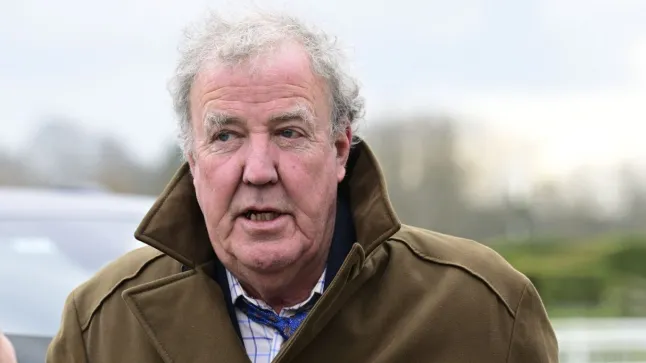
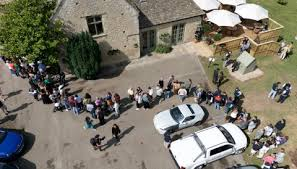
Clarkson is currently waiting on a decision from West Oxfordshire District Council regarding car parking at the farm, a fight he’s now had to wage in some form three separate times. The dispute traces back to the farm shop’s explosive early popularity, when a modest 10-space car park proved wildly inadequate for the crowds the show generated, leading to years of proposals, rejections, appeals, and enforcement notices that have played out both on camera and through formal planning channels.
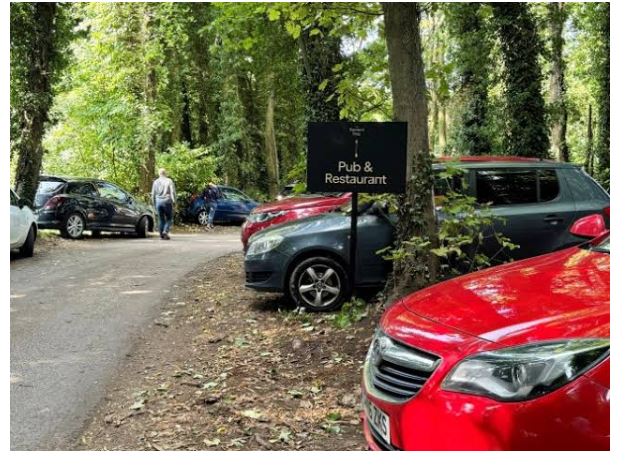
What makes the latest chapter particularly frustrating, according to critics of the council’s approach, is the argument that the very restrictions meant to control the situation may actually be making it worse. With visitor numbers continuing to climb regardless of official capacity limits, insufficient parking doesn’t reduce the number of people arriving, it simply pushes cars onto verges, country lanes, and informal overflow areas never designed to handle that kind of traffic, arguably creating more of the chaos and congestion the restrictions were originally meant to prevent.
This isn’t a new fight by any means. Clarkson’s very first application for expanded parking, back in 2022, sought to increase capacity from 10 spaces to 70, alongside new entry and exit points and a storage compound. That bid faced early pushback from Thames Valley Police, who noted the application hadn’t adequately addressed potential crime and disorder concerns tied to parking chaos during busy periods. Later stages of the long-running dispute grew serious enough that West Oxfordshire District Council reported death threats made against people opposed to development at the farm, a genuinely alarming escalation that led to security being present at subsequent planning hearings.
Clarkson’s own frustration with the process has been consistent and, at times, pointed. Following an earlier rejection of a related restaurant proposal, he didn’t mince words, describing the outcome as “a very bad day for farming,” and predicting in his Sunday Times column that the “unholy mess” would eventually be untangled with the decision ultimately overturned.
For fans who’ve followed the show from its earliest seasons, the parking saga has become a genuinely fitting symbol of everything Clarkson’s Farm set out to document in the first place: not just the physical challenges of farming, but the sheer, often absurd amount of bureaucracy standing between a working farm and basic, practical solutions to obvious problems. It’s a frustration that will likely resonate with plenty of small business owners and farmers well beyond Diddly Squat’s own boundaries.
Whatever the outcome of this third round, one thing seems certain based on the pattern established over the past several years: even if this particular decision goes Clarkson’s way, it’s unlikely to be the final word on parking at Diddly Squat. As long as the farm shop keeps drawing crowds, the tension between visitor demand and countryside planning rules seems destined to keep resurfacing, appeal after appeal, season after season.


