“Maybe I Should Become An Adult”: Jeremy Clarkson’s Surprisingly Reflective Second Take On The Chris Packham Row


Jeremy Clarkson’s first response to Chris Packham’s criticism of Clarkson’s Farm was exactly what longtime readers would expect: sharp, dismissive, and delivered with characteristic bite in his Sun column, branding Packham “endlessly angry” and defending the show’s cartoon opening sequence as, quite simply, just a drawing. It’s the kind of combative response Clarkson has built an entire career on. His follow-up piece, published days later in The Times, told a genuinely different story.

Rather than doubling down, Clarkson used the second column to do something considerably rarer for him: reflect openly on his own instincts and reactions. He opened by acknowledging a simple truth about his own personality, admitting he’d always quite enjoyed being in trouble, dating back to his school days. But he went on to describe something that’s shifted more recently, crediting the public reaction to his own recent health struggles with changing how he wants to be seen, drifting away from “troublemaker” and toward something closer to “nice person.”
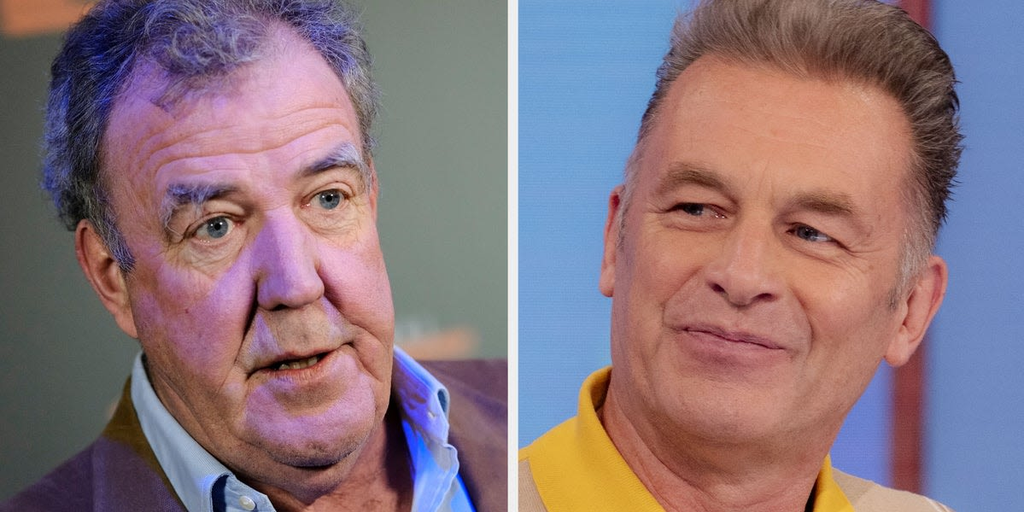
That shift led Clarkson to a genuinely unexpected question, one he posed directly to readers: at 66 years old, maybe it was time to become an adult, a kind person, a tolerant person. It’s a remarkably candid piece of self-reflection from a public figure whose entire brand has, for decades, been built on being anything but tolerant when provoked.
From there, Clarkson turned back to the Packham situation itself, walking through his initial fury at Packham’s Gogglebox comments about the show’s opening titles, and his immediate, sharp response defending it. But rather than simply repeating his earlier defence, the column reads as Clarkson genuinely working through his own reaction in real time, weighing his habitual instinct to fire back hard against a newer, more recent inclination toward restraint.

It’s worth noting Packham himself has shown no real signs of softening his own position throughout the row, continuing to describe Clarkson as “disingenuous” and accusing industrial farming interests of using Clarkson’s Farm as a “smokescreen” to obscure less flattering realities about British agriculture, while also, notably, describing Clarkson as an “agitator” he said he actually respected, comparing it to his own conservation advocacy work.
Clarkson’s more introspective tone doesn’t necessarily signal the row is over, but it does offer a genuinely interesting window into how his recent health scare appears to have shifted his public persona, at least in moments, away from pure combativeness and toward something more reflective. For a man whose column-writing career has spanned decades of deliberately provocative takes on everything from electric cars to government policy, a piece that opens by questioning whether he should simply become kinder is a genuinely notable departure.
Whether this particular reflective mood holds, especially against an opponent as consistently unwilling to back down as Packham has proven to be, remains to be seen. But for readers who’ve followed Clarkson’s public evolution over the past year, through cancer treatment, weight loss, and repeated references to wanting to be around for his grandchildren, this column feels like one more small but genuine piece of a bigger, ongoing story: a famously combative public figure quietly, imperfectly, working out what comes after decades of enjoying a good fight.