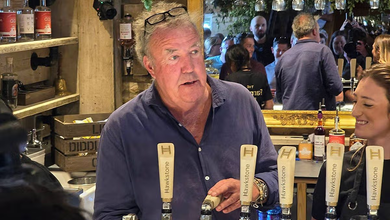
What Andy Burnham Actually Said About The Barbecue Ban — Before Jeremy Clarkson Got Hold Of It

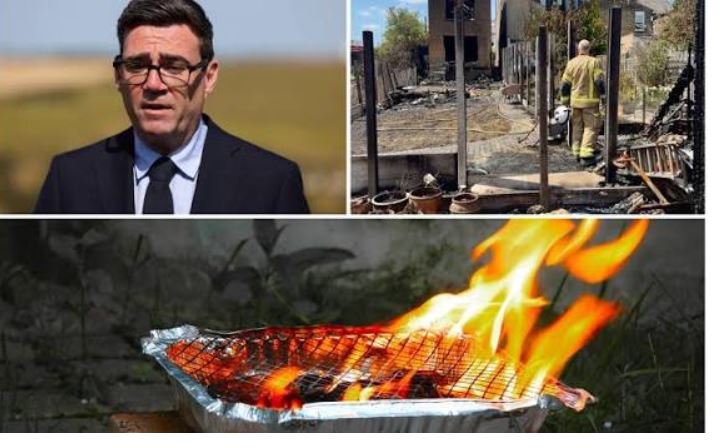
Jeremy Clarkson’s “T-Shirt Burnham” column has dominated conversation for days, but amid all the viral reaction, one thing has gotten a little lost: what Andy Burnham himself actually said about the disposable barbecue ban, in his own words, before it became a punchline.
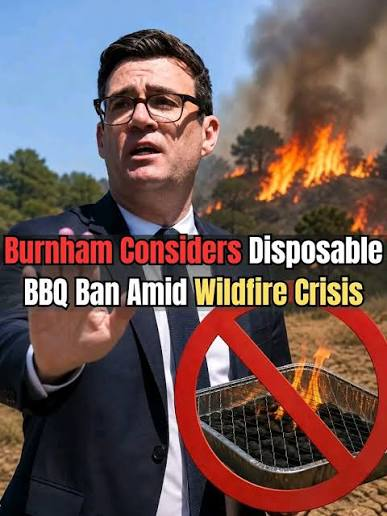
The ban itself arrived through official government guidance, warning that “during the current drought and heatwave conditions, the government considers that the supply and subsequent foreseeable use of disposable barbecues poses a significant risk to the public, and the environment, and therefore cannot be considered a safe product.” Crucially, the guidance framed the measure as temporary, tied specifically to the exceptional conditions of this summer’s drought and heatwave, not a permanent, blanket ban regardless of weather.
Burnham’s own comments around the announcement were notably more direct than a simple policy line. His message to the public, he said, was not to light an open fire “of any kind” during the current conditions, and to dispose of cigarettes carefully given how genuinely combustible the countryside had become. He didn’t mince words about the stakes either, warning that acting recklessly meant “taking risks with other people’s homes, with other people’s lives.”
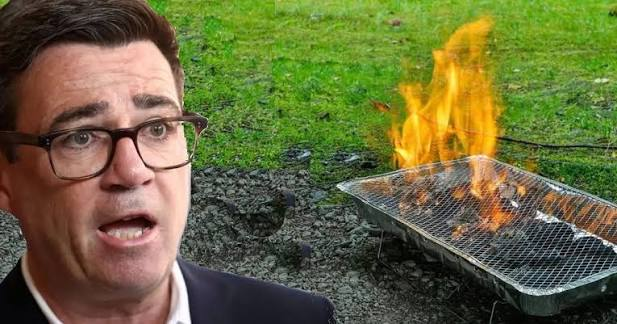
That framing puts Clarkson’s column in a slightly different light. His argument, that barbecues were an easy scapegoat while the real causes, broken machinery, discarded cigarettes, bored teenagers, went unaddressed, is a genuinely fair rhetorical point about proportionality. But Burnham’s own comments suggest the ban was never presented as “barbecues are the sole cause of every wildfire”, rather, it was one specific, easily removable ignition source targeted during an unusually dangerous stretch of weather, alongside broader warnings about cigarettes and open fires generally.
It’s also worth noting this isn’t the only pub-and-countryside-adjacent row Burnham’s government has faced this summer. Just weeks earlier, a separate row broke out over proposals, from a local council rather than central government, to discourage “vertical drinking” in pubs. Downing Street’s response to that particular controversy was notably sympathetic to pub culture, a spokesperson insisting that “busy pubs full of people talking to each other is not a public nuisance, it is British life,” and that the government wanted pubs to “continue to thrive.” It’s a useful bit of context for anyone assuming this government is reflexively hostile to traditional British pastimes: on pubs specifically, it’s actually pushed back against restrictions.
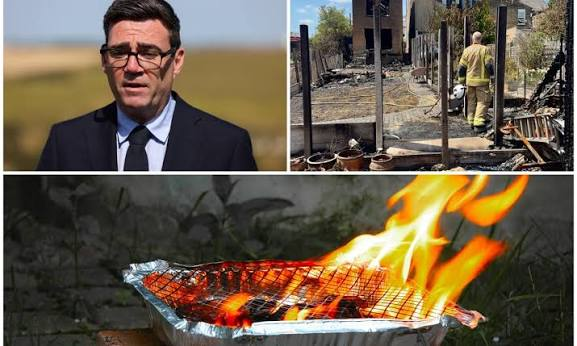
Tất cả những điều này không nhất thiết giải quyết được cuộc tranh luận về việc nướng thịt theo hướng nào. Những người có lý trí vẫn có thể bất đồng quan điểm về việc liệu lệnh cấm tạm thời, do thời tiết gây ra đối với một sản phẩm cụ thể có tương xứng hay không, hoặc liệu việc truyền đạt thông điệp có mục tiêu hơn (như cảnh báo về việc hút thuốc) có đạt được mục tiêu an toàn tương tự mà không cần lệnh cấm toàn diện hay không. Nhưng nó bổ sung thêm bối cảnh hữu ích mà đã bị làm lu mờ phần nào trong sự lan truyền nhanh chóng của “T-Shirt Burnham”: đây không phải là việc chính phủ cấm nướng thịt một cách tùy tiện, mà là một phản ứng cụ thể, có thời hạn đối với điều kiện nguy cơ cháy nổ thực sự cực đoan, được đưa ra cùng với thông điệp an toàn công cộng rộng hơn mà bài báo của Clarkson không thực sự đề cập đến.
Việc bối cảnh đó có làm thay đổi suy nghĩ của bất kỳ ai về việc ai “đúng” trong cuộc tranh luận này hay không, như mọi khi, hoàn toàn tùy thuộc vào người đọc.