
Kaleb Cooper Just Landed His Own Prime Video Show — Days After Losing His Entire Straw Supply To A Fire

Kaleb Cooper’s year keeps refusing to slow down. Fresh off a summer wedding, a bestselling second book, and news of a growing family, the Clarkson’s Farm favourite has just landed one of the biggest milestones of his career yet: his very own Prime Video series, entirely separate from Diddly Squat.

The four-part show, titled Kaleb: Down Under, will follow Cooper on his first-ever solo trip to Australia, one of the largest and most influential farming markets in the world. It’s a genuinely significant step for Cooper’s career, marking the first time he’s headlined a series entirely on his own terms, without Jeremy Clarkson, without Diddly Squat as the backdrop, just Kaleb, exploring farming on a completely different continent, on a completely different scale.
It’s the latest, and arguably biggest, sign of just how far Cooper has come since first appearing on screen as Clarkson’s exasperated, straight-talking farmhand back in 2021. Between two bestselling books, a sold-out nationwide theatre tour, and now his own solo television commission, Cooper has built a genuinely independent media career that stands entirely on its own, separate from his role at Diddly Squat.

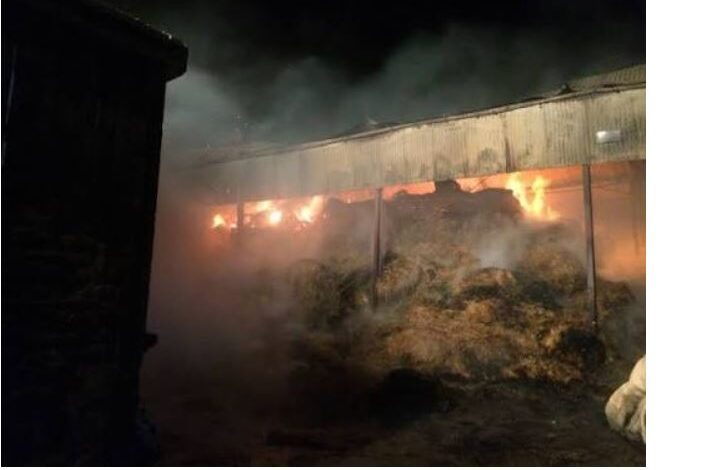
But even ambitious new projects can’t shield a working farmer from the genuinely unglamorous realities of the job. Just as this news was breaking, Cooper shared considerably less welcome updates from his own farm: a fire had torn through one of his barns, destroying his entire straw supply. Posting to Instagram Stories alongside a photo of smoke still billowing from the building, Cooper kept his usual wry sense of humour intact even in a genuinely bad moment, writing simply, “I’m having a bad day,” before turning directly to his followers with a practical appeal: “Anyone got any straw? Lost all mine.”
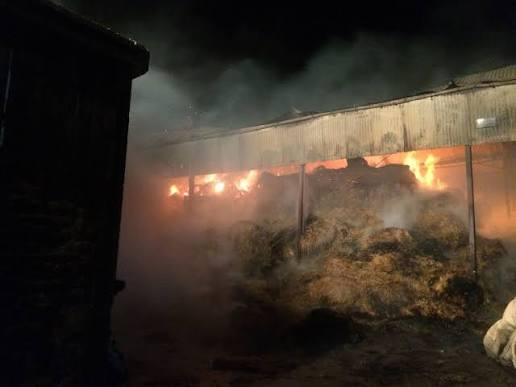
It’s a genuinely fitting reminder that no amount of television success changes the underlying reality of farming itself. Straw isn’t a minor inconvenience to lose, it’s essential bedding and feed material that farms depend on daily, and losing an entire supply overnight represents a genuine operational and financial setback, the kind of unglamorous crisis that rarely makes headlines compared to book deals and TV commissions, but matters considerably more to Cooper’s actual, day-to-day livelihood.
Cooper has been candid before about the genuine financial pressure of trying to build his own farming future, admitting he’s saving aggressively toward buying his own land one day, while acknowledging Cotswolds property prices are making that goal increasingly difficult. It’s a useful, grounding contrast to the headline-grabbing TV news: even as Cooper’s media profile continues to expand internationally, the basic, unglamorous economics of actually farming haven’t gotten any easier.
Between a fire that wiped out his straw supply and an international TV commission landing in the same stretch, Cooper’s week captures something genuinely representative of his whole public persona: relentlessly hardworking, refreshingly honest about setbacks, and, whatever chaos the farm throws at him, still finding the humour in it before asking his followers for help.


