
The Sandwich That Sparked A Lawsuit: How An 11-Inch “Footlong” Became A Legal Circus

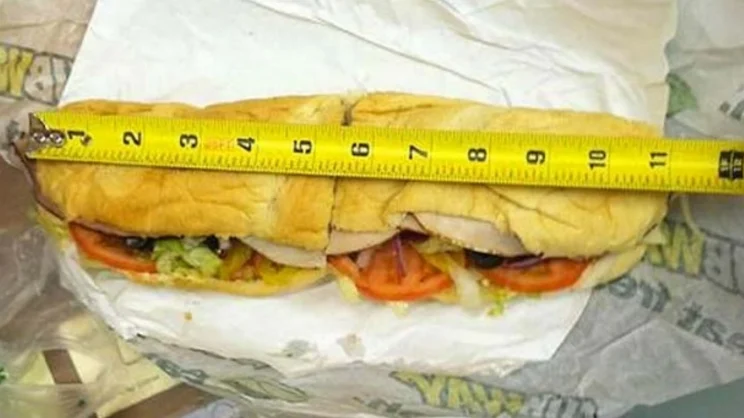
In January 2013, an Australian teenager named Matt Corby did something almost nobody does after buying lunch: he measured it. He’d just bought a Subway Footlong sandwich — a product whose entire name promised exactly what it sounds like, twelve full inches of sub. Out of curiosity more than suspicion, he laid a tape measure next to it. The result: 11 inches. He snapped a photo of the sandwich next to the tape measure and posted it to Facebook, probably expecting nothing more than a few laughs from friends.
Instead, it went viral — and viral, in this case, meant lawyers. Within days, plaintiffs’ attorneys across the United States began filing class-action lawsuits against Subway, alleging the company had misled millions of customers under state consumer-protection laws. The cases were eventually consolidated into a single multidistrict litigation in a federal court in Wisconsin. What started as one teenager’s idle curiosity had become a nationwide legal battle over twelve inches of bread.
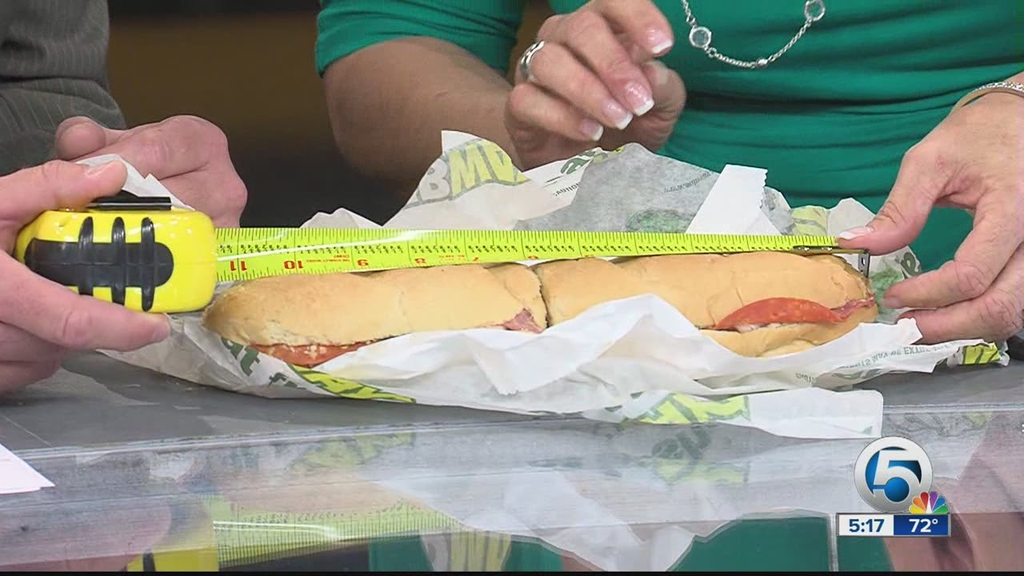
Here’s where the story takes its first ironic turn: when lawyers actually investigated, the facts didn’t fully support the outrage. Discovery revealed that the vast majority of Subway’s Footlong sandwiches genuinely measured 12 inches or more. The ones that came up short typically fell by about a quarter of an inch — the kind of natural variation baked (literally) into the process of making bread rise and cook. More importantly, Subway’s raw dough sticks were all identical in weight before baking, meaning even a slightly shorter sandwich contained the exact same amount of bread — and the same amount of meat, cheese, and toppings — as any other. Nobody was actually getting less food. They were just, occasionally, getting a sandwich that was very slightly shorter in length.
That should have deflated the case. Instead, it evolved. Unable to prove customers were financially harmed, plaintiffs’ lawyers shifted their strategy toward an injunction — a court order forcing Subway to implement quality-control measures ensuring its bread reliably measured up. In 2016, the parties reached a settlement: Subway agreed to new baking procedures, and the company paid $525,000 in attorneys’ fees plus $500 incentive payments to each of the ten named plaintiffs. Case closed — or so everyone thought.
Then came the twist nobody saw coming. A single objector, dissatisfied that the settlement seemed to benefit only the lawyers, appealed the case all the way to the U.S. Court of Appeals for the Seventh Circuit. In a scathing 2017 ruling, the appellate court tore the settlement apart, calling it “utterly worthless” to the actual customers it claimed to protect. The judges didn’t hold back: “Zero plus zero equals zero,” the opinion read, comparing the whole affair to “a racket” that “should have been dismissed out of hand.” The settlement was thrown out entirely.
What began as one curious photo of a sandwich next to a tape measure ended up as a cautionary tale cited by legal scholars about the limits — and occasional absurdity — of class-action litigation in America. Somewhere in the mix, a lot of very real lawyers made very real money, a fast-food giant tweaked its baking process, and millions of sandwich lovers kept right on eating Footlongs, mostly without ever reaching for a tape measure.