He Sold His Music Rights For A Farm — Then Appeared On Clarkson’s Farm And Made Millions

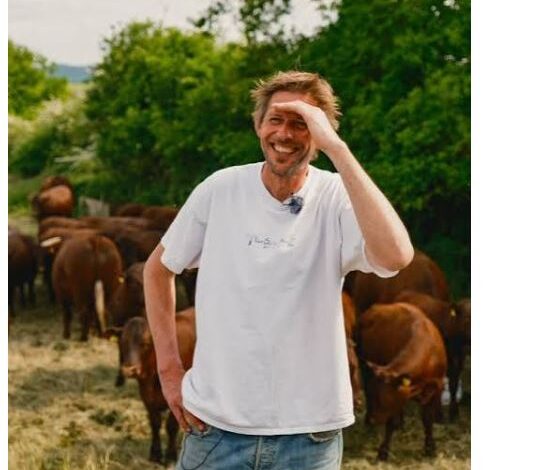
If you danced to “Superstylin'” or “I See You Baby” at any point in the early 2000s, you were listening to Andy Cato, one half of the globally successful dance duo Groove Armada. What you probably didn’t know is that Cato would eventually walk away from three decades of music industry success to pursue something almost nobody in his position ever does: becoming a full-time regenerative farmer, a decision that would later lead him straight into Jeremy Clarkson’s orbit
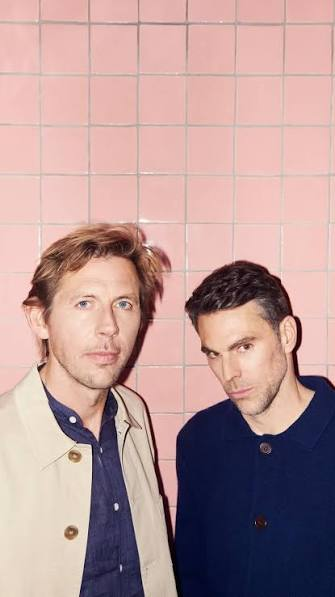
Cato’s journey away from music began with a single moment of clarity. Returning from a gig more than 15 years ago, he read an article detailing the genuine environmental toll of industrial food production, one line in particular sticking with him: if you don’t like the system, don’t depend on it. Having never planted a seed in his life up to that point, he described what followed as falling down a “spectacularly-sized rabbit hole.”
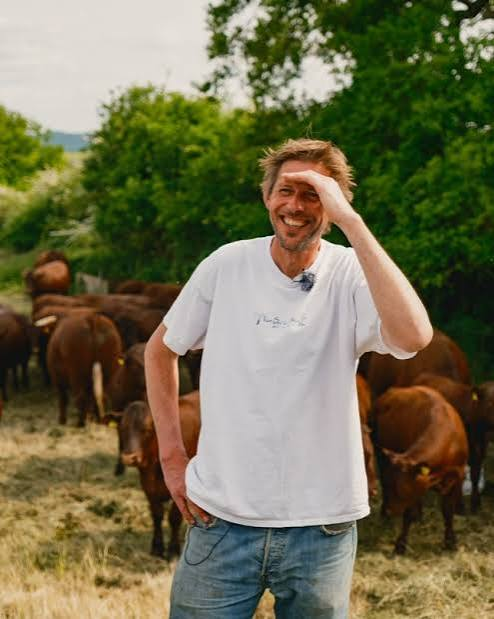
What makes the story genuinely remarkable is just how far Cato took that impulse. He sold the rights to his Groove Armada catalogue, essentially his musician’s pension, to finance a farm in Gascony, southwestern France, later calling the decision “pure madness” even as he pursued it wholeheartedly. There, he began experimenting with regenerative techniques designed to restore degraded soil, eventually building out a genuine agricultural movement that now spans 110 farms across both France and the UK.
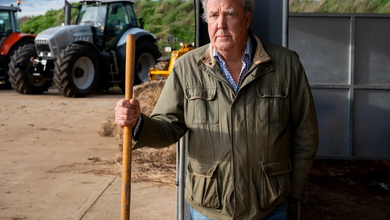
Cato’s connection to Clarkson’s Farm arrived almost by accident. He recalled getting a call from Jeremy Clarkson and assuming he was simply being invited over for a cup of tea, only to discover, upon arrival, that season three’s cameras were already rolling. Standing in front of Clarkson’s own tired, heavily ploughed field, Cato faced a genuinely daunting task: explaining regenerative farming to an audience of roughly 50 million people in a matter of seconds, without getting it wrong. His answer was blunt and effective, describing conventional farming as having “declared war on natural systems,” pointing to soil pushed to the brink and insect populations down by 80 percent, before demonstrating what healthier soil actually looks like with a simple spade.
Alongside business partner George Lamb, son of Gavin & Stacey actor Larry Lamb, Cato co-founded Wildfarmed to bring other farmers into the same regenerative approach: keeping soil permanently covered, growing cereals alongside companion crops, integrating livestock, avoiding all pesticides, and keeping wildflower strips within 80 metres of every crop. Unlike traditional organic certification, which typically demands a lengthy two-year transition period, farmers can become Wildfarmed-certified immediately, a genuinely practical hook for farmers hesitant to commit to years of reduced yields before seeing any certification benefit.
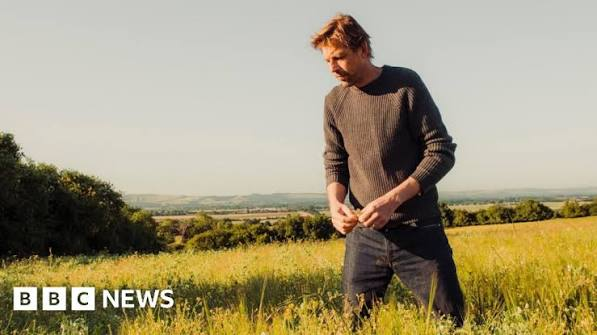
The commercial impact of Cato’s Clarkson’s Farm appearance has been genuinely striking. New accounts filed with Companies House revealed Wildfarmed’s total equity jumped from £691,916 to £2.1 million within a single financial year following the show’s airing, with total assets minus liabilities climbing from £1.7 million to £4 million over the same period. It’s a rare, concrete example of Clarkson’s Farm directly translating into measurable business success for one of its guest participants, well beyond the usual boost in public awareness or social media followers.
For Cato, farming has proven every bit as demanding as three decades in dance music, describing the intensity as comparable to house music’s late-80s heyday, while stressing it’s been far from the idyllic “good life” outsiders might imagine. It’s a genuinely fitting parallel to Clarkson’s own journey: two very different men, from wildly different backgrounds, both discovering firsthand that farming rarely gives you what you expect, and rarely lets up.